The crossing between Helsingborg in Sweden and Helsingør in Denmark is one of the shortest international ferry routes in the world, and one of the oldest continuously used crossings in Scandinavia. Its history reflects almost every stage in the development of Nordic transport — from rowing boats and sailing vessels to steamers, train ferries, car ferries and battery-powered ships.
The Geography of the Northern Øresund
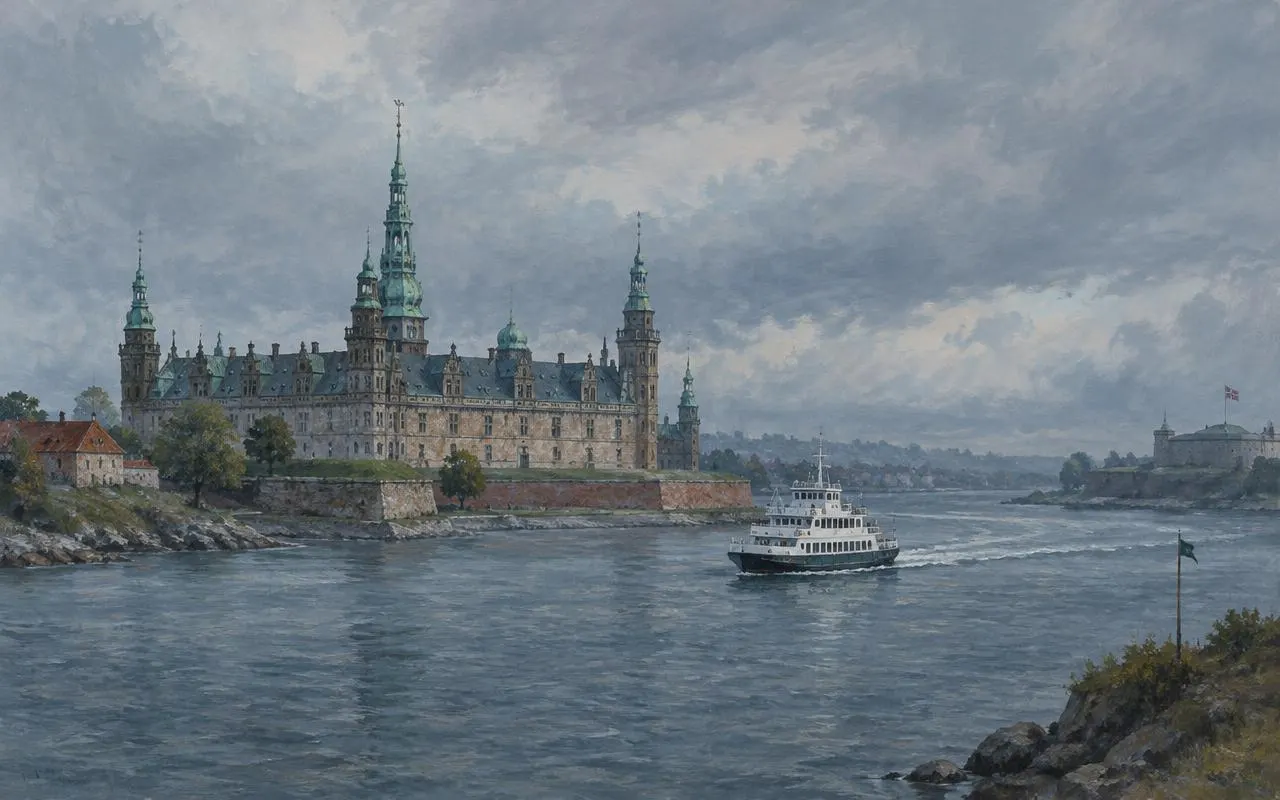
At its northern end the Øresund narrows to roughly four kilometres between the headlands of Helsingborg and Helsingør. This narrow point made the location strategically important long before ferries existed. Both towns were fortified: Helsingborg's medieval keep, Kärnan, still stands above the harbour, and Kronborg Castle at Helsingør guards the Danish shore. Controlling these narrows meant controlling access between the Baltic and the North Sea — which is why Denmark collected the Sound Dues at Helsingør for more than four hundred years.
For travellers, the short distance meant a quick crossing. Even in sailing days, the passage could often be made in an hour or two, and it naturally became the main route for people moving between Scania and Zealand.
Historical Maritime Connections
When both towns belonged to the Danish crown, before 1658, the crossing linked two parts of the same kingdom. Local boatmen carried passengers, mail, livestock and goods, and the crossing was regulated by royal privileges. After the Treaty of Roskilde placed Helsingborg in Sweden, the strait became a border, but the crossing remained essential and grew with trade.
Travel was dependent on weather. Strong winds and currents in the strait could halt crossings, and winter ice occasionally made the passage dangerous. Inns and customs houses in both towns served travellers waiting to cross.
The Development of Regular Ferry Services
In the nineteenth century the crossing became increasingly organised, with fixed departure times, licensed operators and dedicated vessels. Steam made such services practical, and by the latter half of the century regular steamship departures linked the two towns. The growth of Helsingborg as an industrial and port city, and of rail connections on both sides, steadily increased demand.
Steam-Powered Ferries
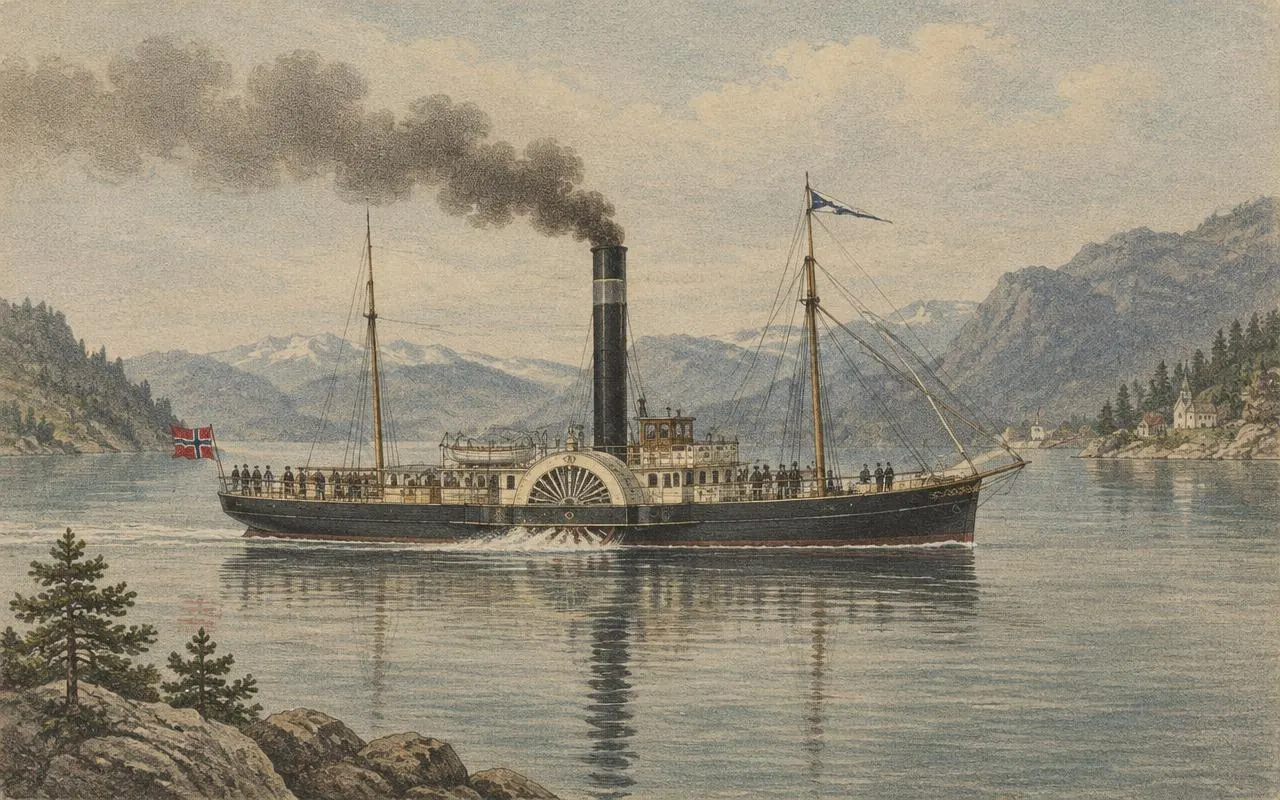
Steamers transformed the crossing from a weather-dependent journey into a scheduled service. They offered covered saloons for passengers, could carry heavier cargo and kept to timetables in most conditions. Over the decades, larger and more powerful steamers were introduced, increasing frequency and capacity.
Railway Ferry Transportation
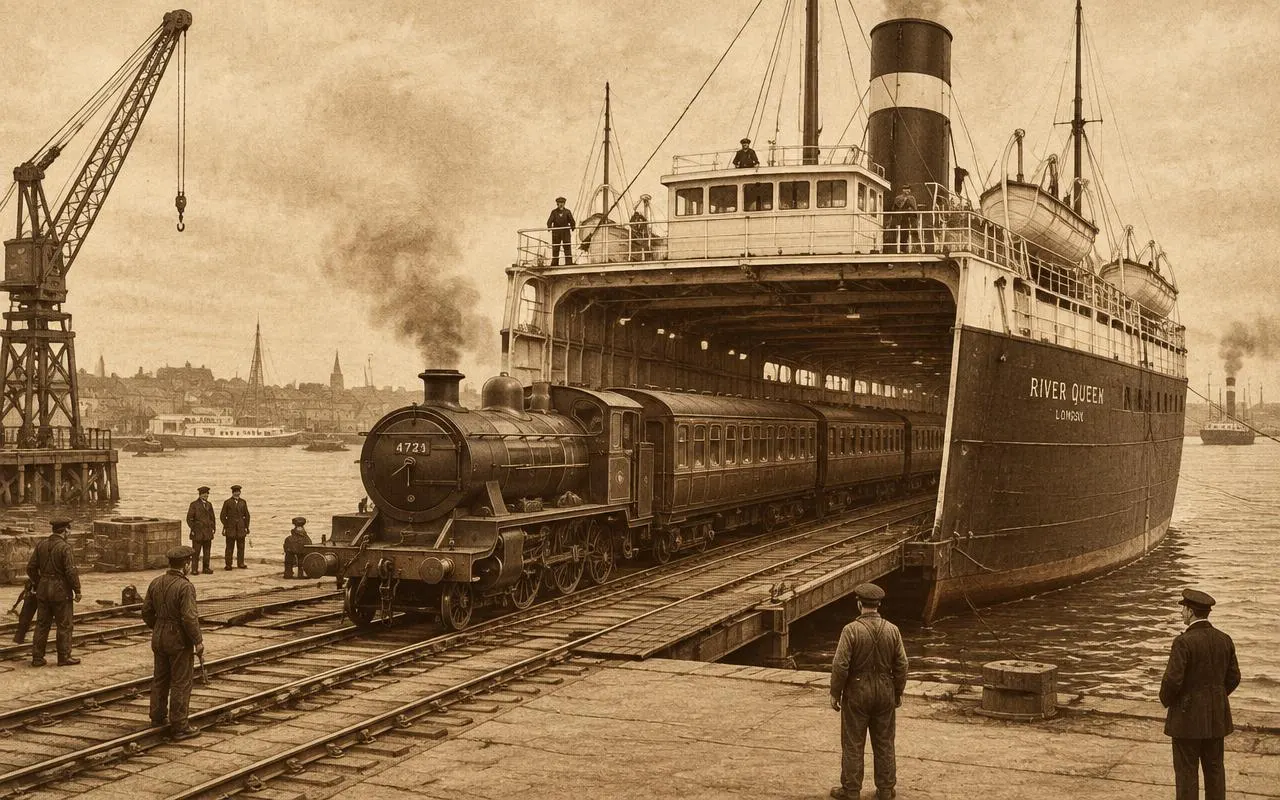
In 1892 railway ferry operations began between Helsingborg and Helsingør. Specially designed vessels with rails on deck allowed railway wagons to be carried across the strait and connected to the Swedish and Danish networks. The railway ferry harbours in both towns became important junctions, and for much of the twentieth century the crossing was a key part of the rail route between Scandinavia and continental Europe.
Train ferries on the route were operated by the state railways of Sweden (SJ) and Denmark (DSB). Rail traffic across the northern Øresund continued until the Øresund Bridge redirected international rail traffic further south; train ferries between Helsingborg and Helsingør ended around the turn of the millennium.
The Rise of Automobile Ferries
From the 1950s onwards, rising car ownership changed the crossing fundamentally. Car ferries with drive-through decks allowed vehicles to embark at one end and leave from the other, and departures became extremely frequent. Several operators competed on the route over the decades, including the state railways and private companies; the Swedish-Danish operator Sundsbussarna became well known for its small, frequent passenger boats. The crossing became one of the busiest ferry routes in the world measured by number of departures.
The Historical Role of Scandlines
Scandlines was formed in 1998 when the ferry operations of the Danish state (formerly part of DSB) and the German state railway ferry services merged. Swedish state railway ferry operations, which had been organised as SweFerry, were brought into the Scandlines group in the same period. As a result, the name Scandlines became associated with several Scandinavian ferry routes, including the Helsingborg–Helsingør crossing.
On the Helsingborg–Helsingør route, ferries were operated for a number of years under the Scandlines name. Ownership of the operation changed in the following years, and in 2015 the route was sold to an investment group, separating it from the Scandlines Denmark–Germany business.
Changes in Ferry Operators
Over its long history, the crossing has been served by many operators: local boatmen, private steamship companies, the Swedish and Danish state railways, private car ferry lines, Sundsbussarna, Scandlines and its successors. After the 2015 sale, the Helsingborg–Helsingør operation was rebranded as ForSea in 2018. Ownership has continued to change since then, as is common in the ferry industry.
Important: Scandlines does not currently operate the Helsingborg–Helsingør crossing. Travellers should check the current operator's official website for timetables and tickets. This website does not sell tickets or provide live departure information.
Modern Helsingborg–Helsingør Services
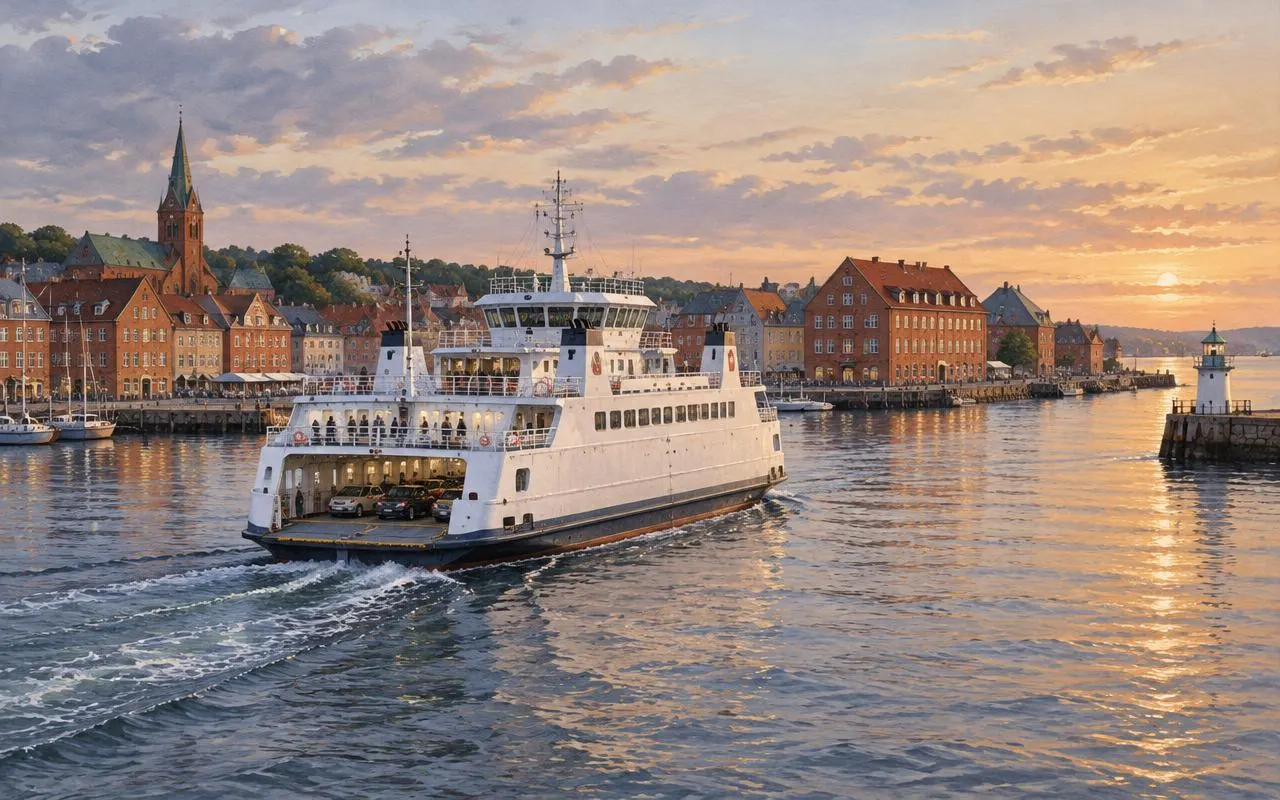
Today the crossing takes around twenty minutes and runs throughout the day with frequent departures, carrying commuters, holidaymakers, cars, buses and lorries. In 2018 two of the route's ferries, Tycho Brahe and Aurora, were converted to battery-electric operation, charging automatically at the quays — at the time among the largest battery-powered ferries in the world. The route demonstrates how a centuries-old crossing can remain relevant through technological renewal, even in the age of the Øresund Bridge.
Historical Timeline
- Middle Ages
Crossing under Danish rule
Both shores belong to Denmark; boatmen carry travellers across the narrow strait.
- 1429
Sound Dues at Helsingør
Denmark begins taxing ships passing the narrows.
- 1658
A new border
The Treaty of Roskilde places Helsingborg in Sweden.
- 19th c.
Steamship services
Regular steamer departures link the two towns.
- 1892
Railway ferry service
Train ferries begin carrying railway wagons across the strait.
- 1950s–1960s
The car ferry era
Drive-through car ferries and high-frequency departures transform the route.
- 1998
Scandlines formed
Danish and German state ferry operations merge; Swedish state ferry operations join the group.
- 2015
Route sold
The Helsingborg–Helsingør operation is separated from Scandlines.
- 2018
ForSea and battery power
The route is rebranded as ForSea; Tycho Brahe and Aurora begin battery-electric operation.
Historical Photo Gallery
Authentic archive photographs are subject to licensing, so the gallery below uses clearly labelled illustrations representing different eras of the crossing.